Keepers of the Land
For Native people, the land is not a resource — it is a living relative. It holds memory, provides life, and carries responsibility. To care for the land is to honor those who came before us and to ensure that future generations will have what they need to live, grow, and remain connected to who they are.
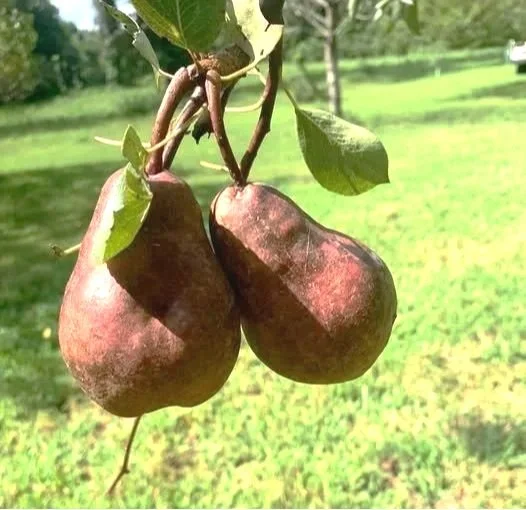
The Tribe understands land stewardship as a lived responsibility. Farming, seed saving, beekeeping, and habitat restoration are not separate efforts, but interconnected ways of honoring the land and sustaining life. Together, they reflect a commitment to balance, respect, and continuity — values that have guided Cherokee people for generations.
Farming as Responsibility
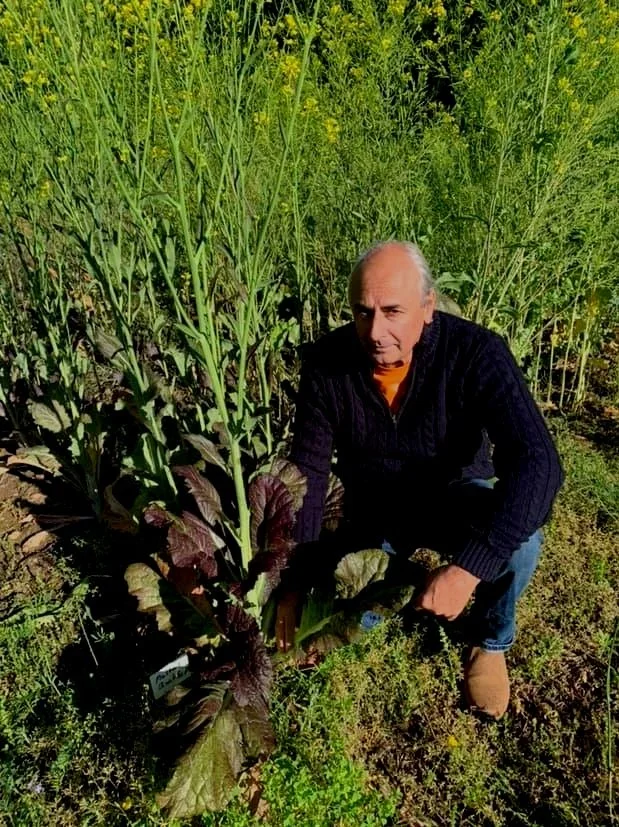
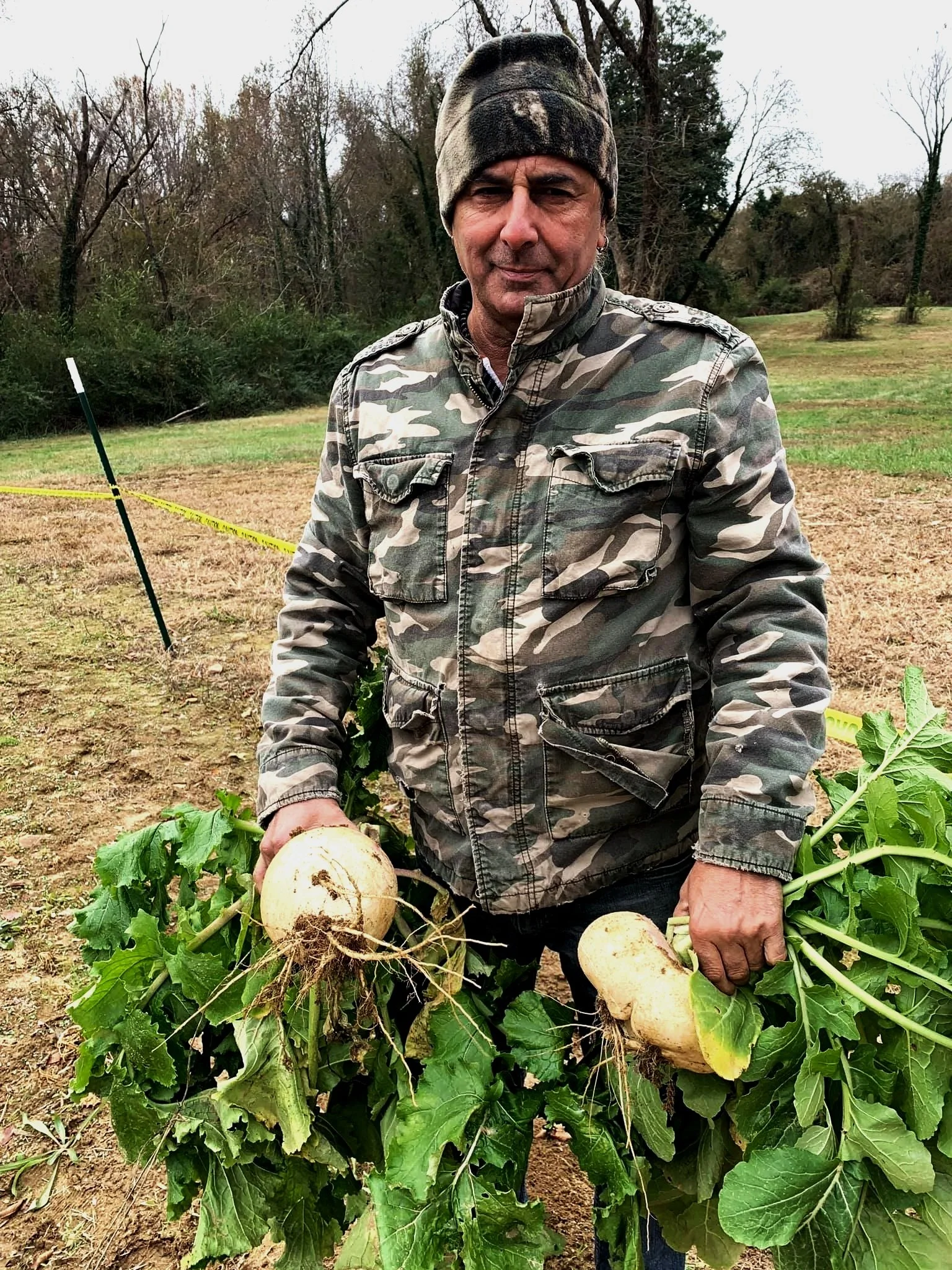
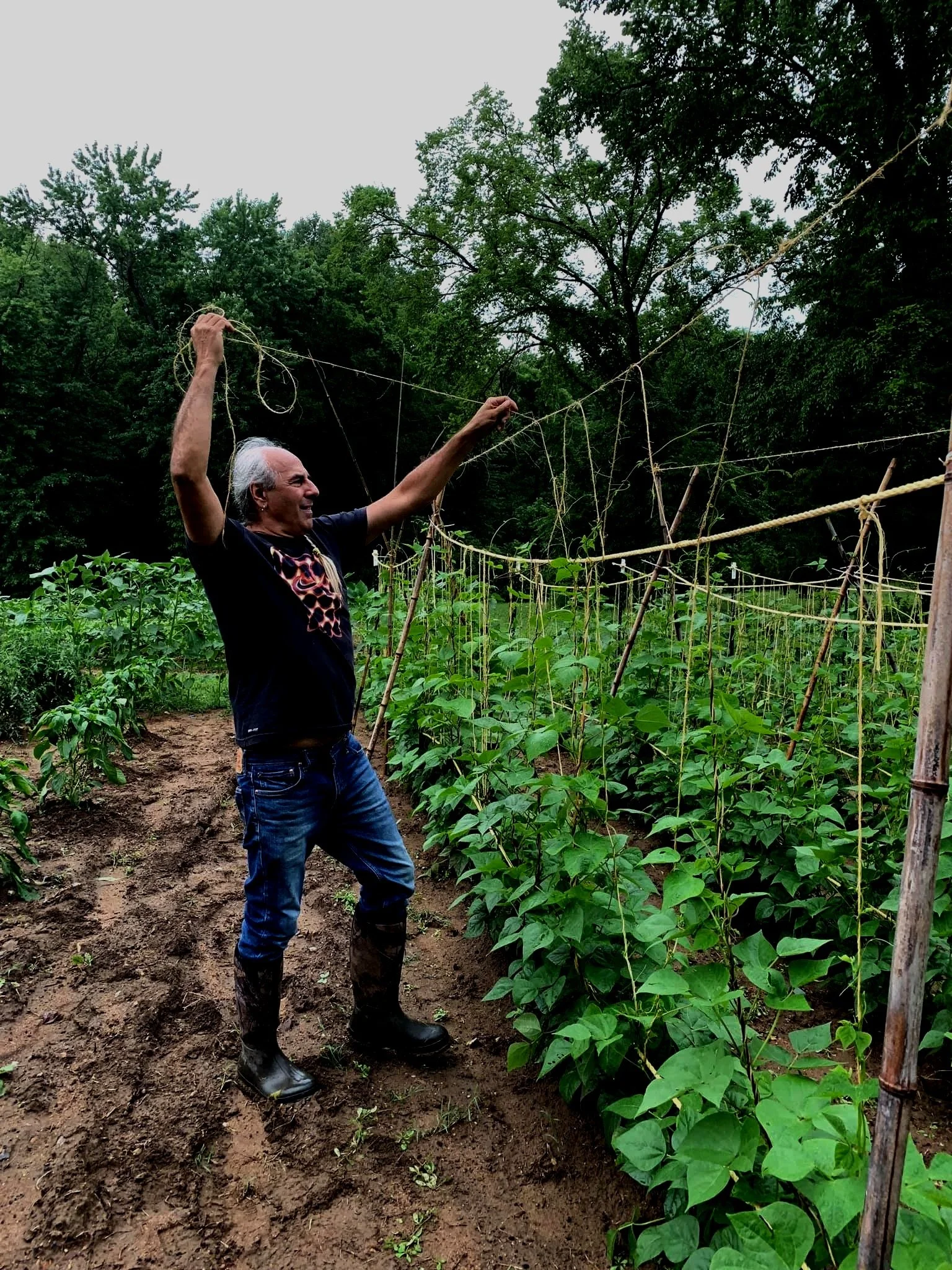
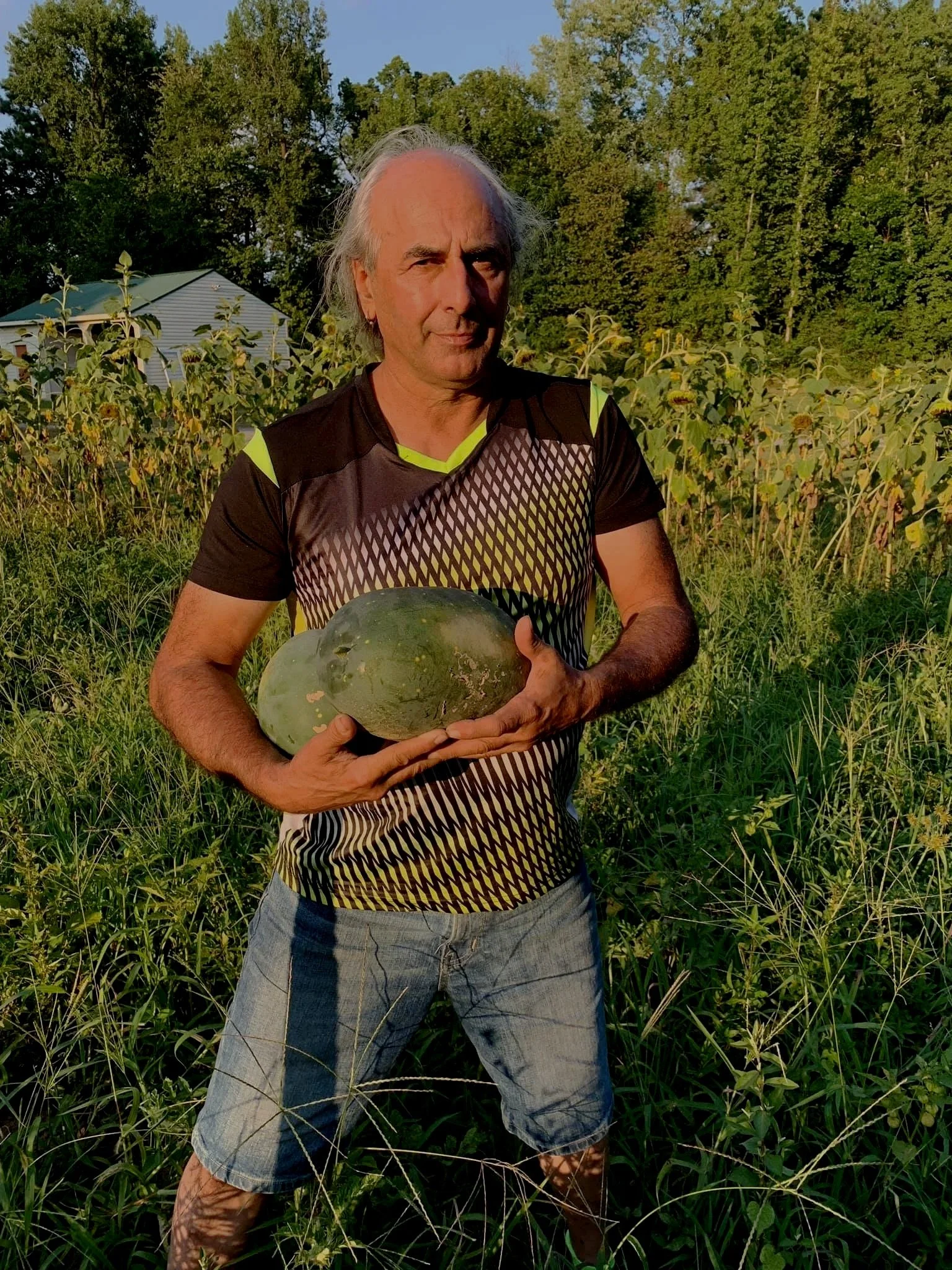
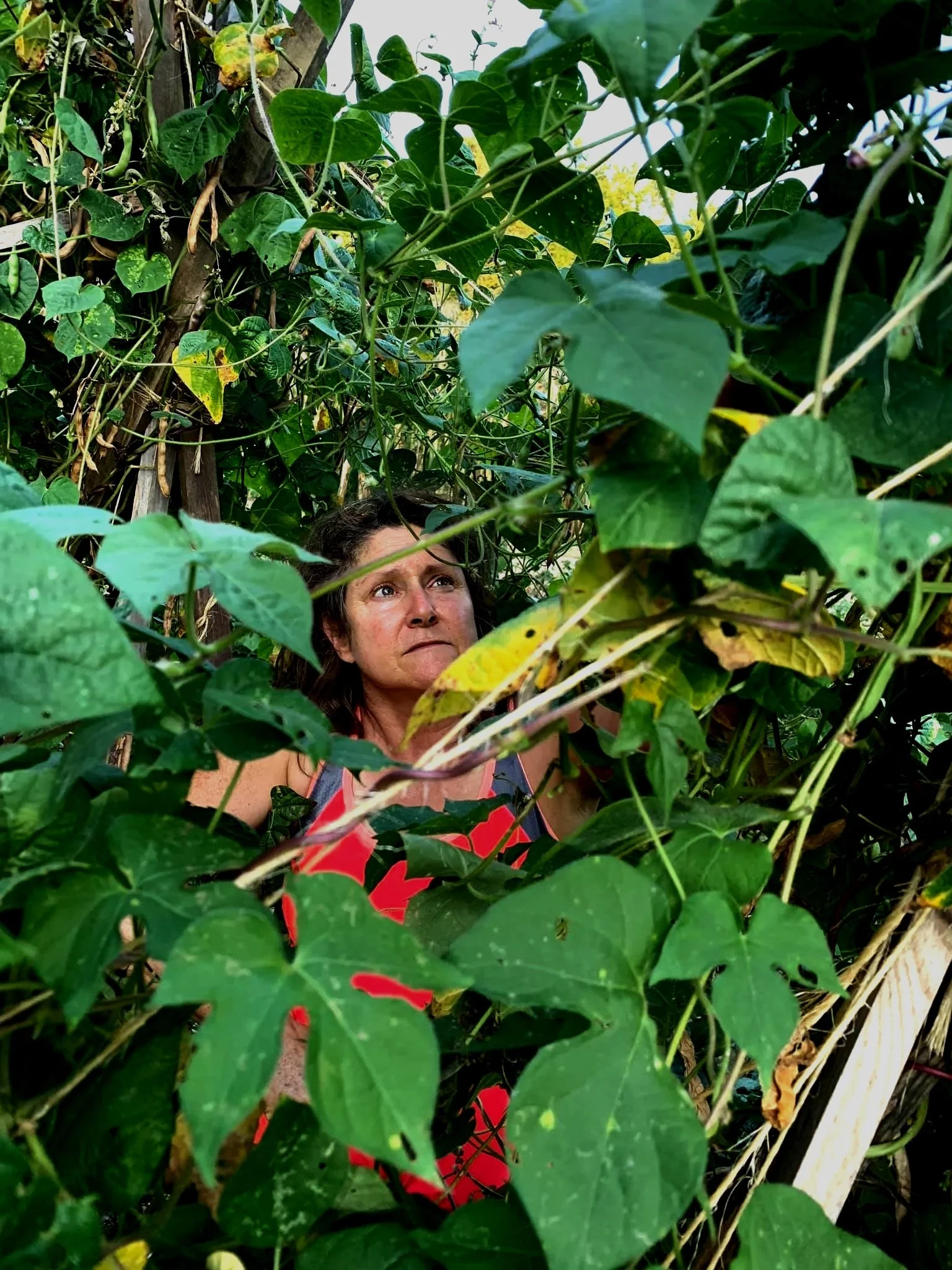
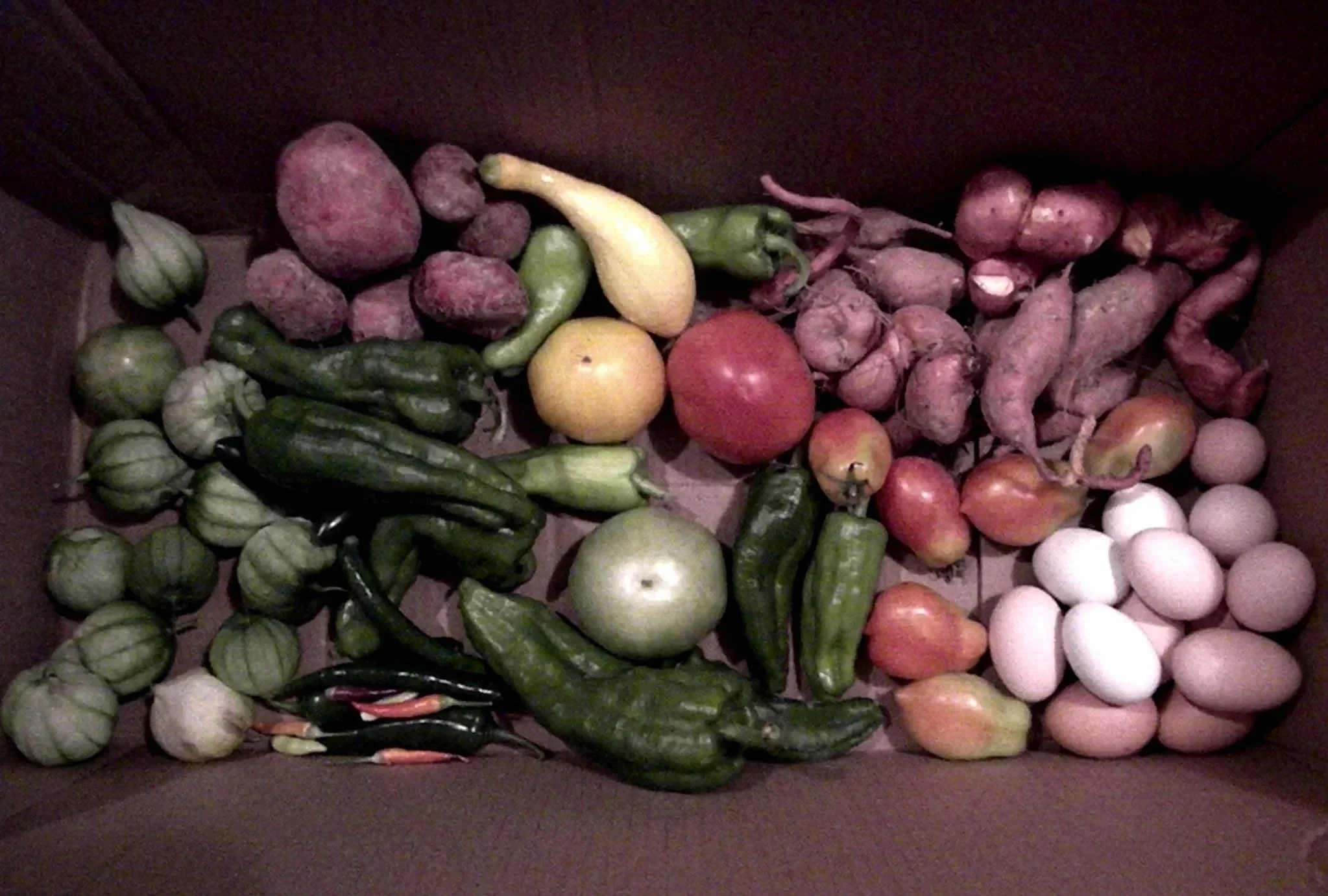
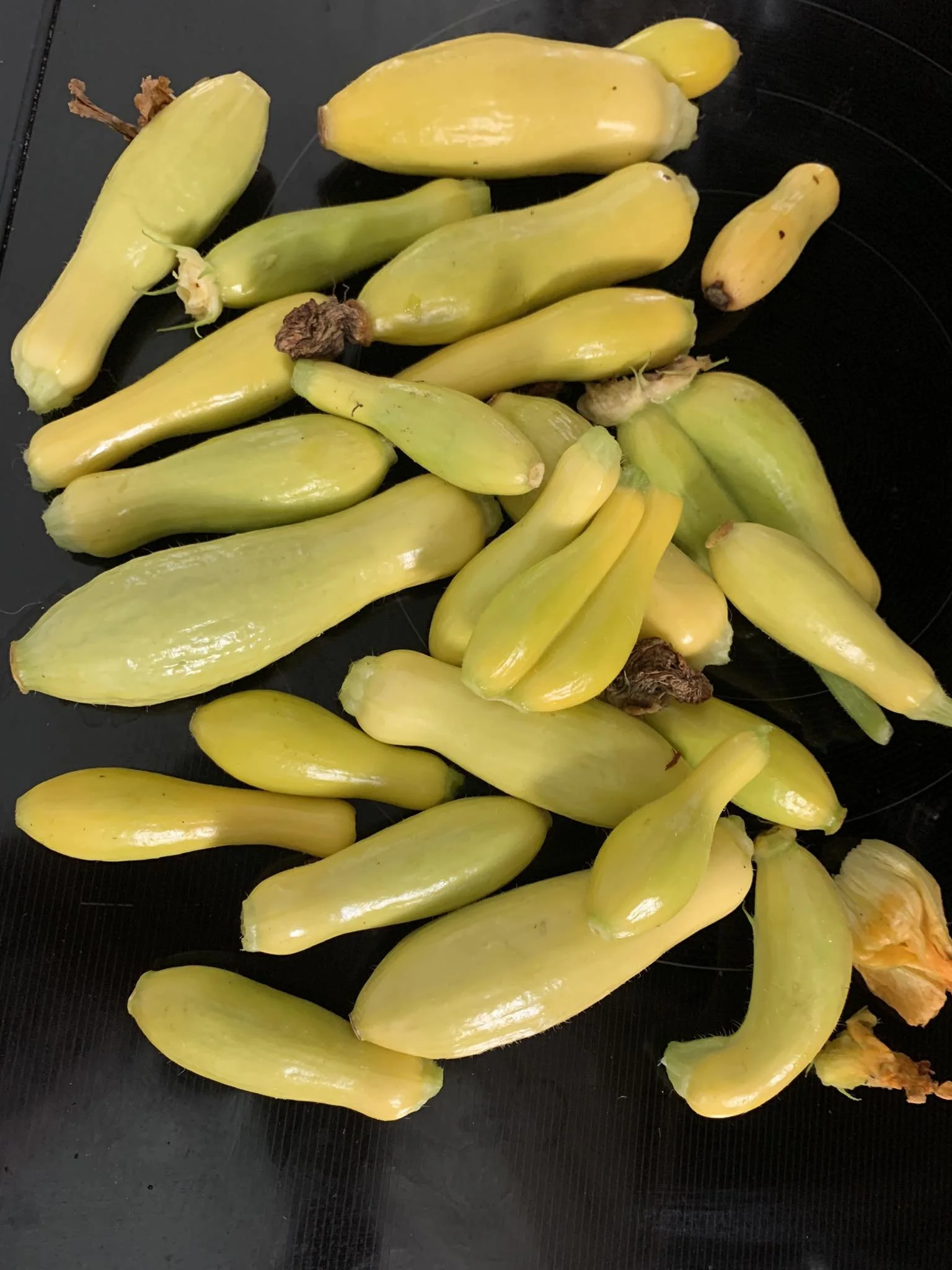
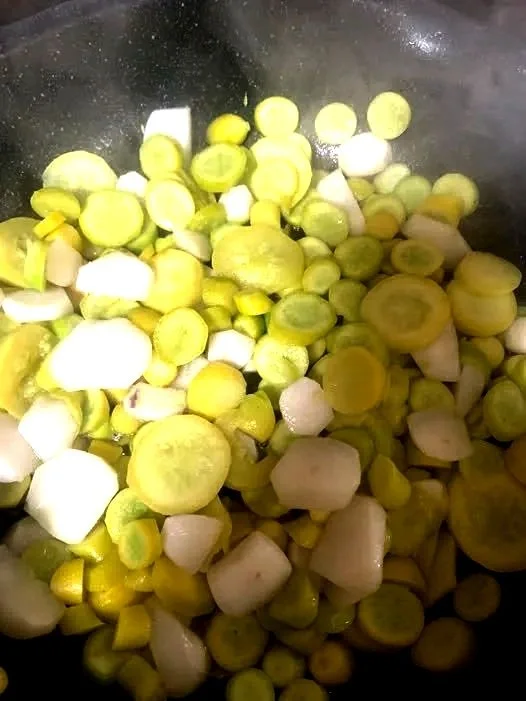
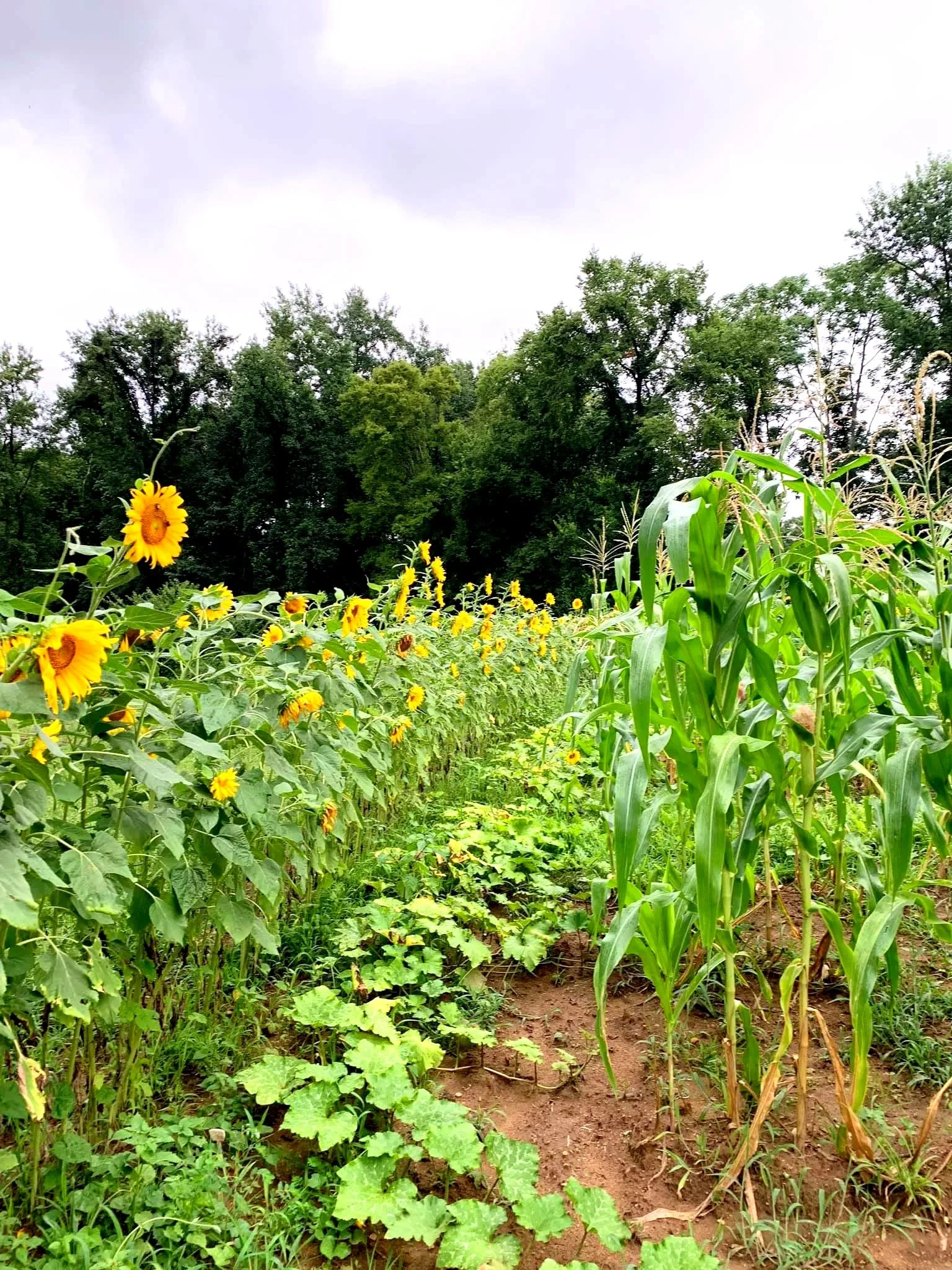
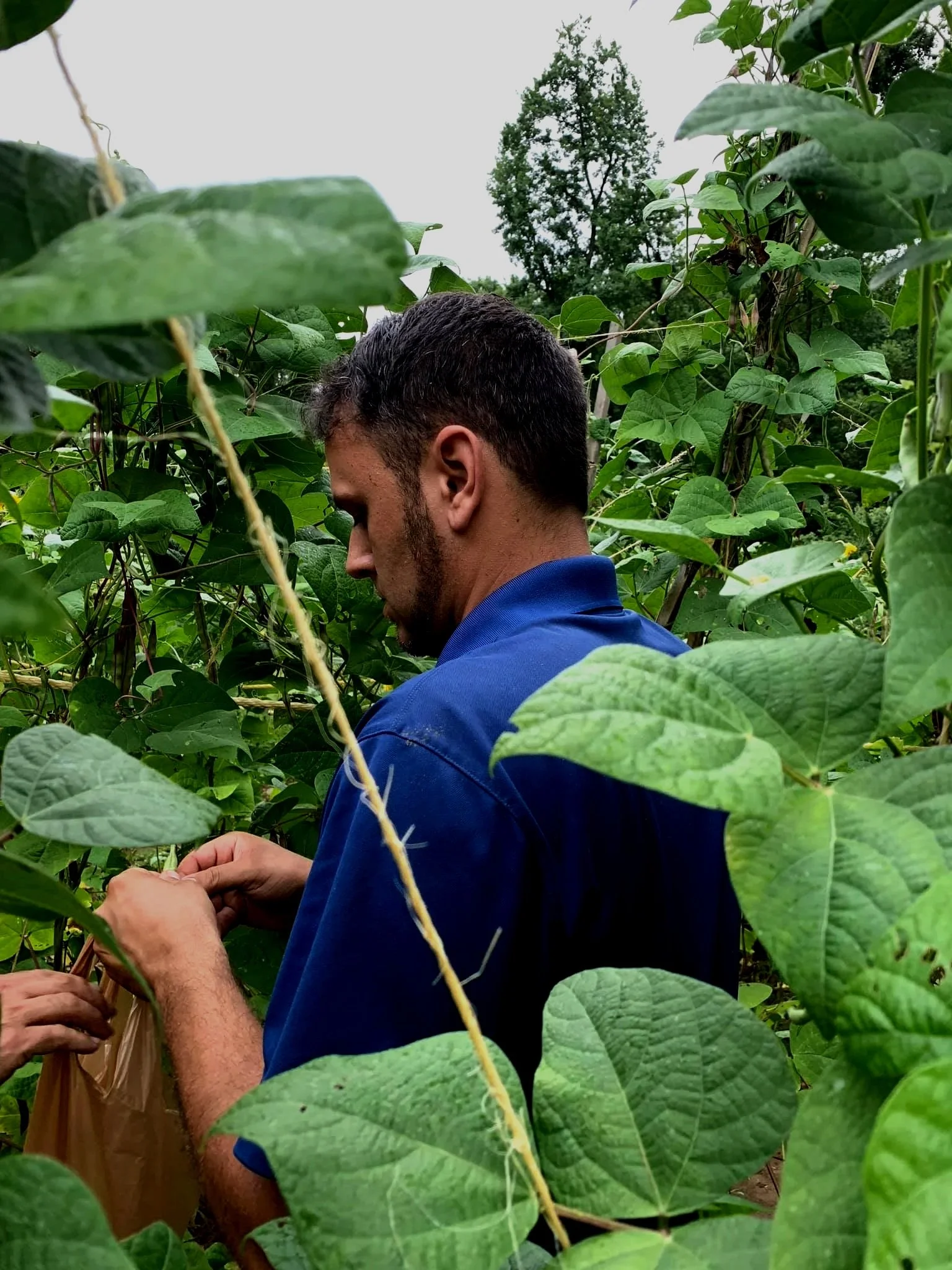
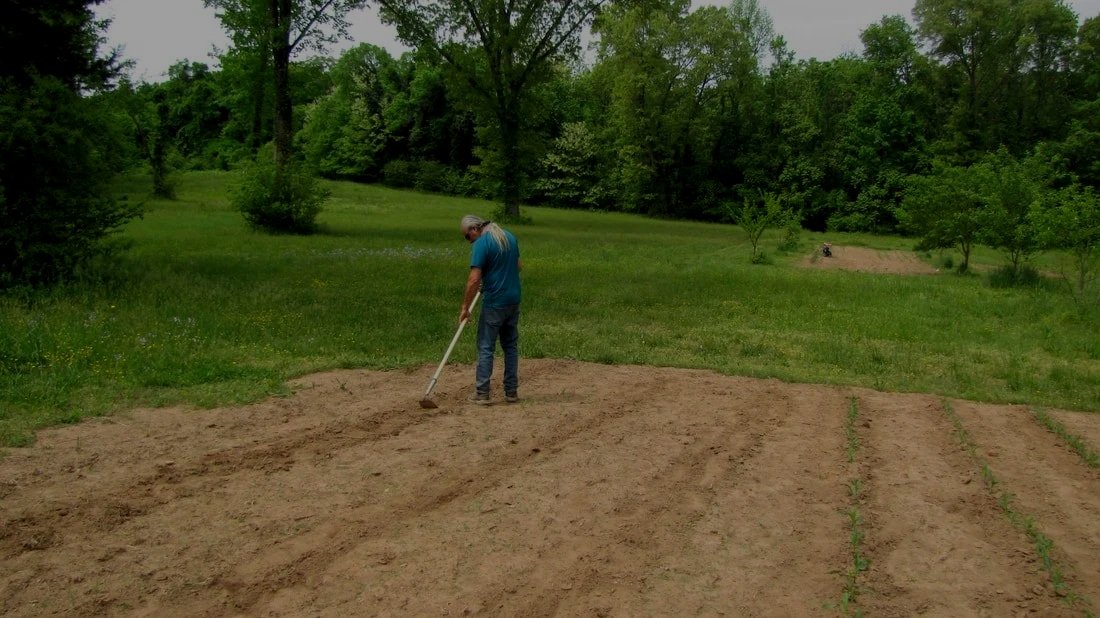
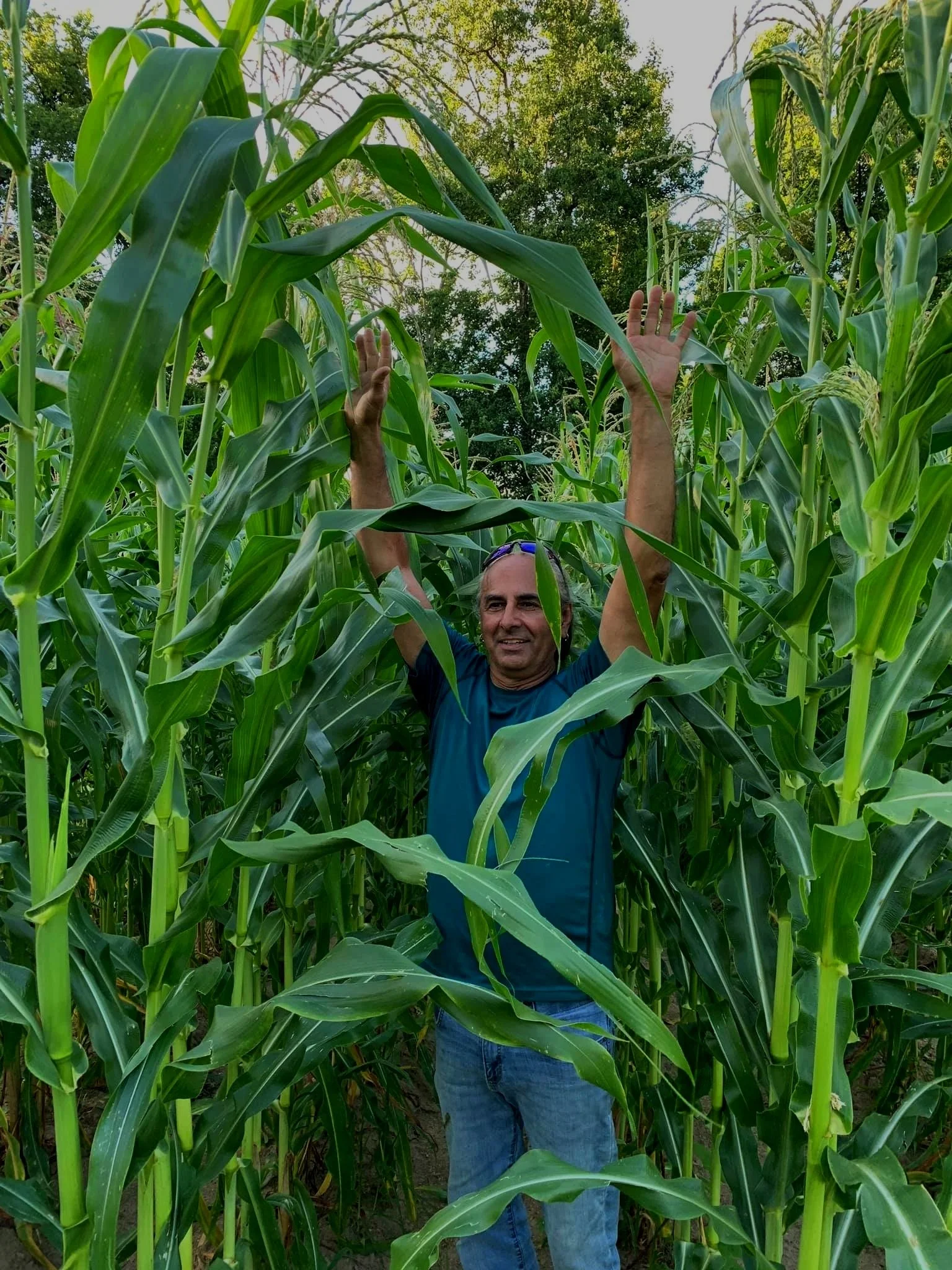
The Tribe grows much of its own food as an act of self-sufficiency and care for the community. Farming is not only about nourishment but about maintaining a relationship with the land through work, patience, and respect for natural cycles.
By cultivating the land, the Tribe honors traditional knowledge while providing sustenance rooted in responsibility rather than dependence. Each growing season reflects an ongoing commitment to care for the land in ways that are thoughtful, sustainable, and grounded in Cherokee values.
Beekeeping and Balance
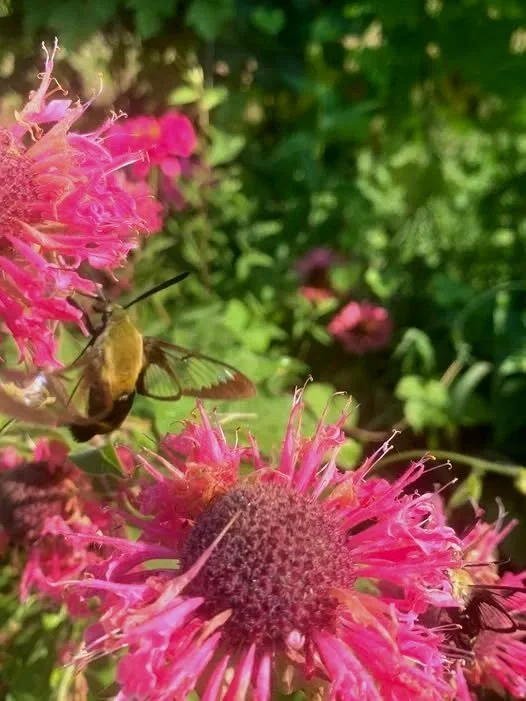
Beekeeping is part of the Tribe’s responsibility to maintain balance within the natural world. Bees play a vital role in pollination and the health of ecosystems, making them essential partners in land stewardship.
Through beekeeping, the Tribe supports the life cycles that allow plants, crops, and communities to thrive. This work reflects respect for all living beings and an understanding that sustaining the land requires caring for even the smallest contributors to its wellbeing.
Seed Saving as Continuity
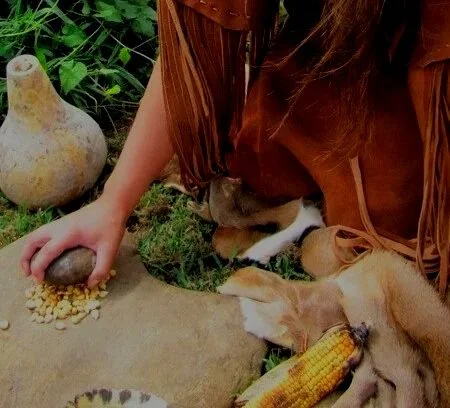
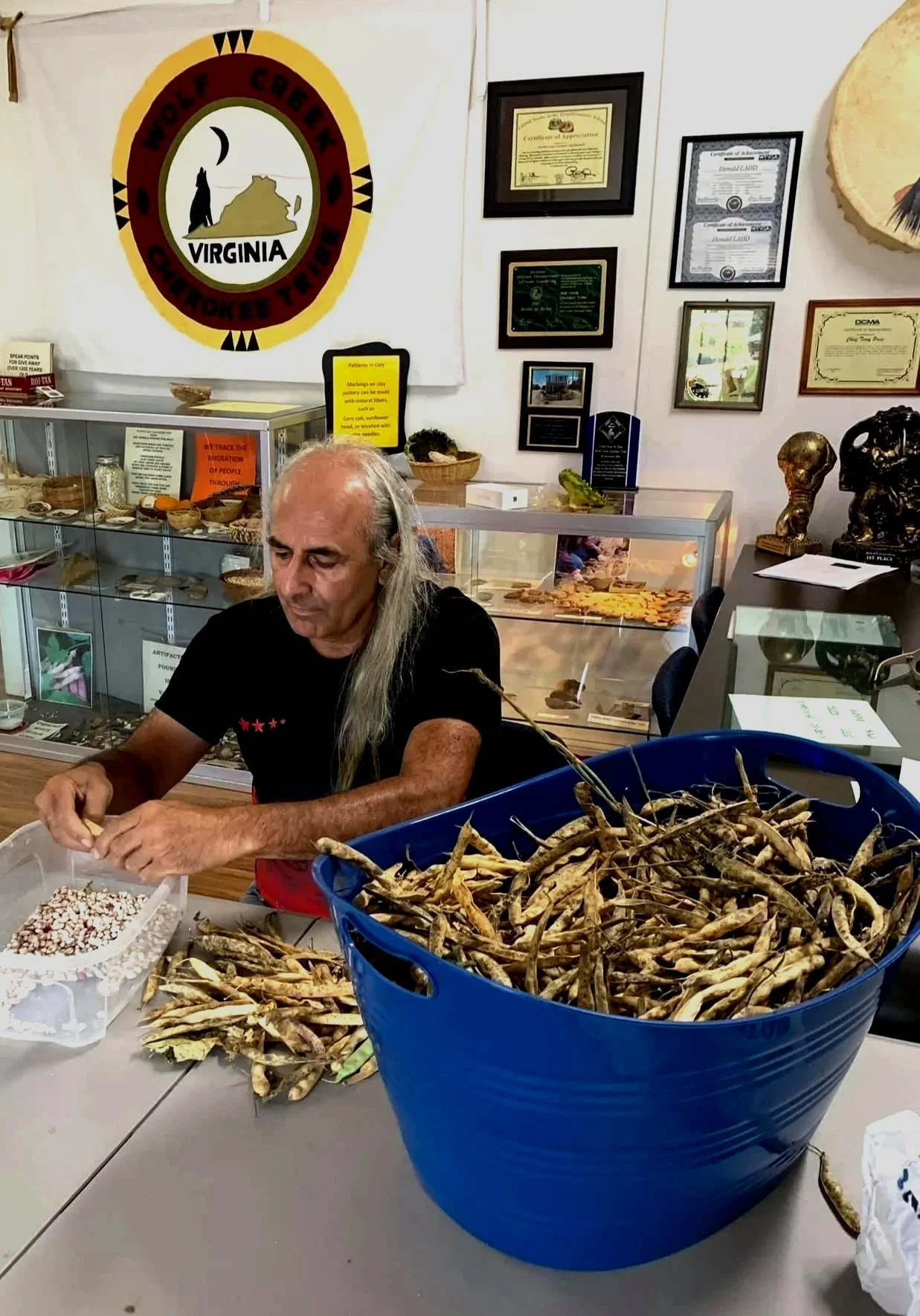
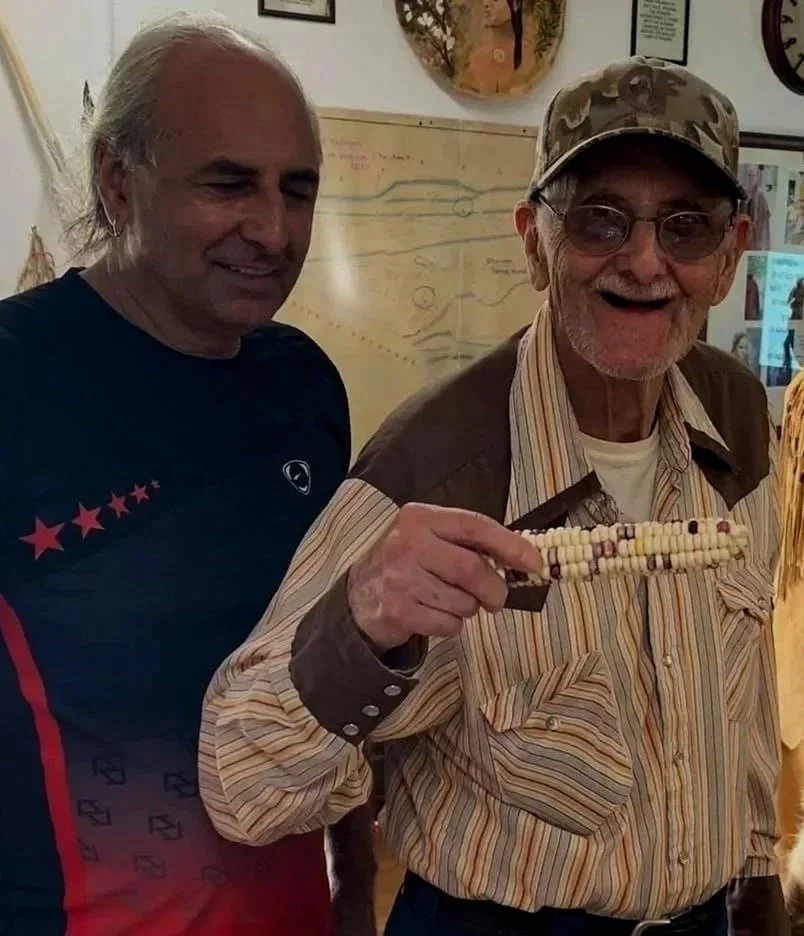
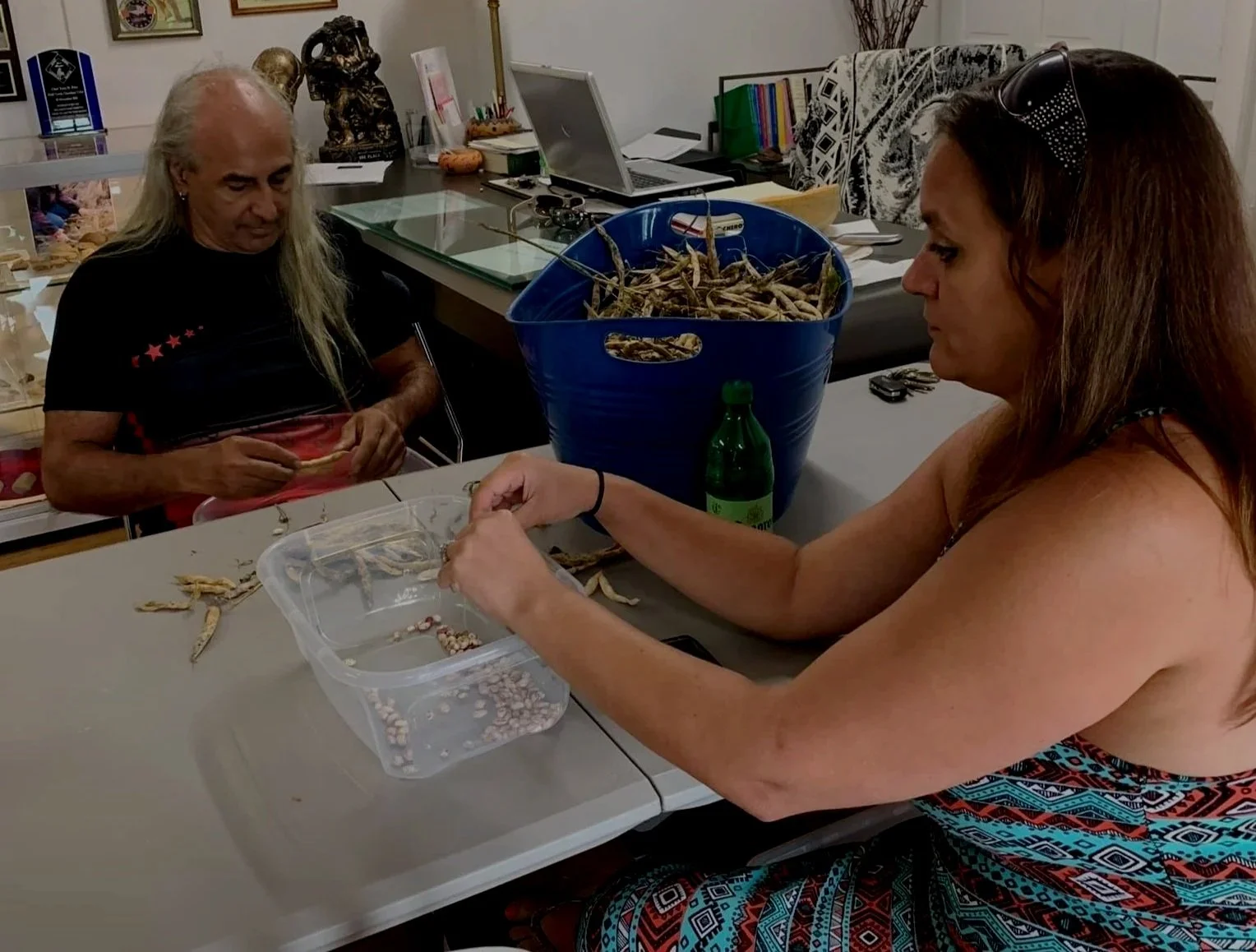
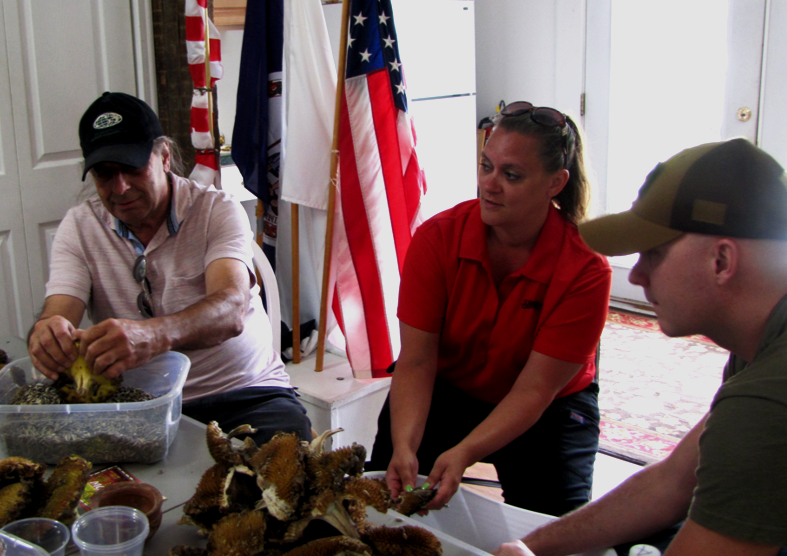
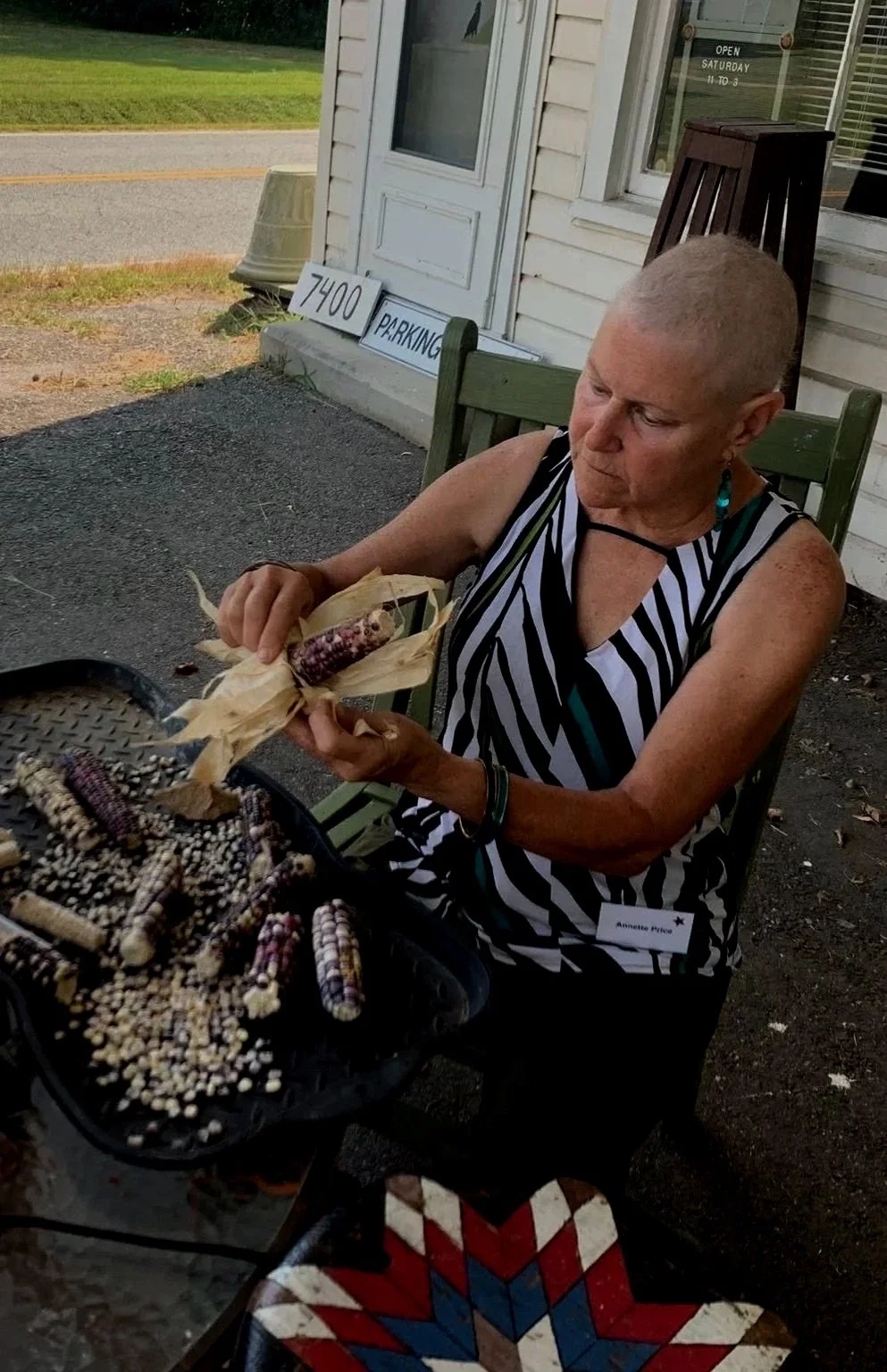
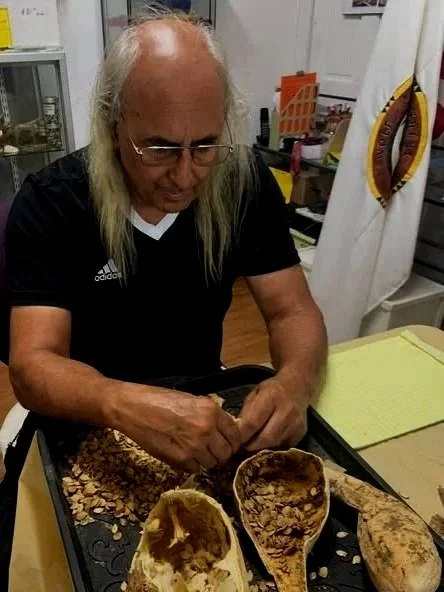
Seed saving is central to preserving life and memory. Seeds carry the history of the land, the knowledge of those who tended them before, and the promise of what is yet to come. Through seed saving, the Tribe protects traditional plant knowledge and ensures that future generations will have access to what has sustained Cherokee people over time.
This practice reflects an understanding that preservation is not passive — it requires attention, care, and responsibility. Saving seeds is a way of carrying culture forward, season by season.
Butterfly Sanctuary and Renewal
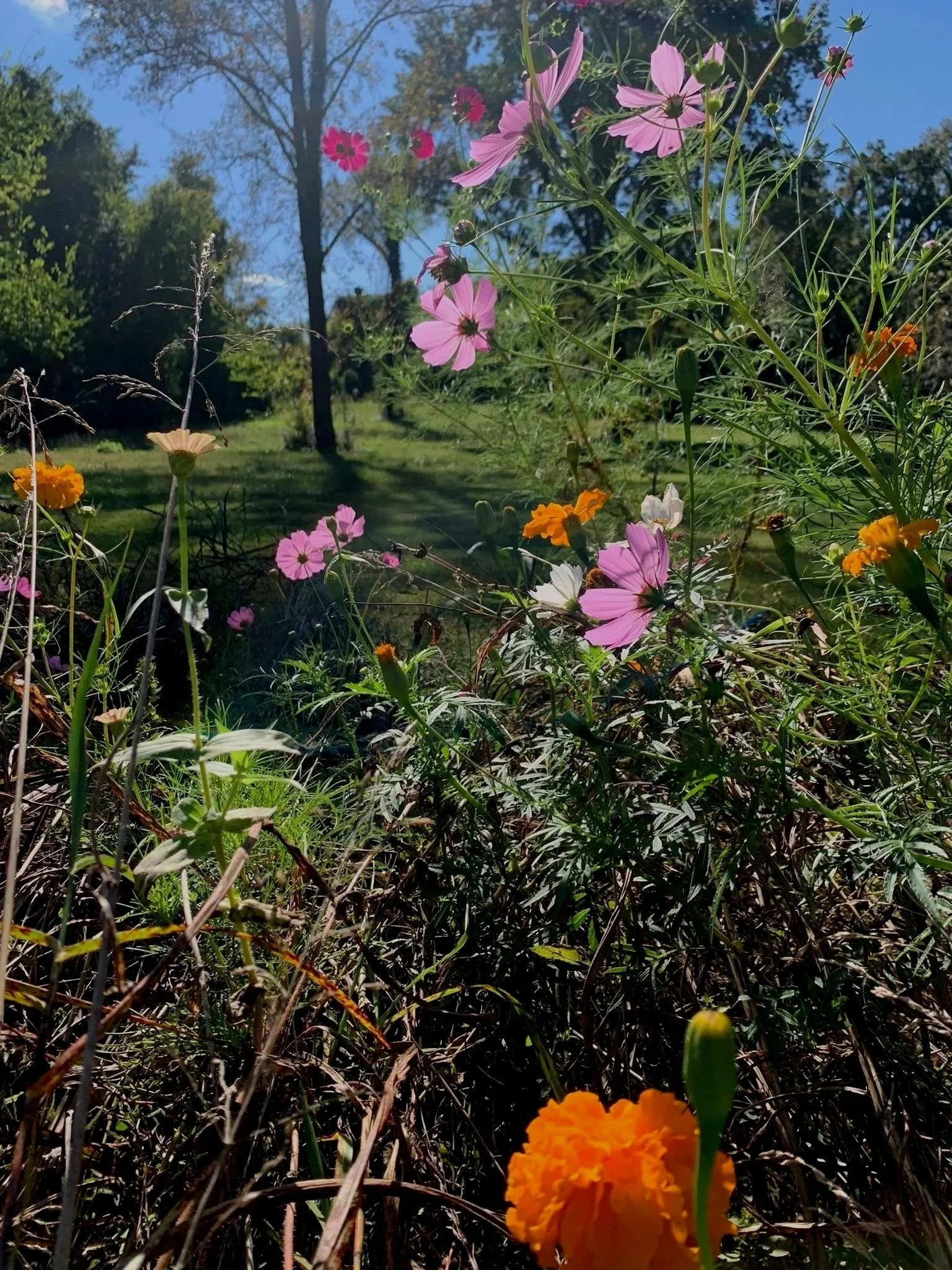
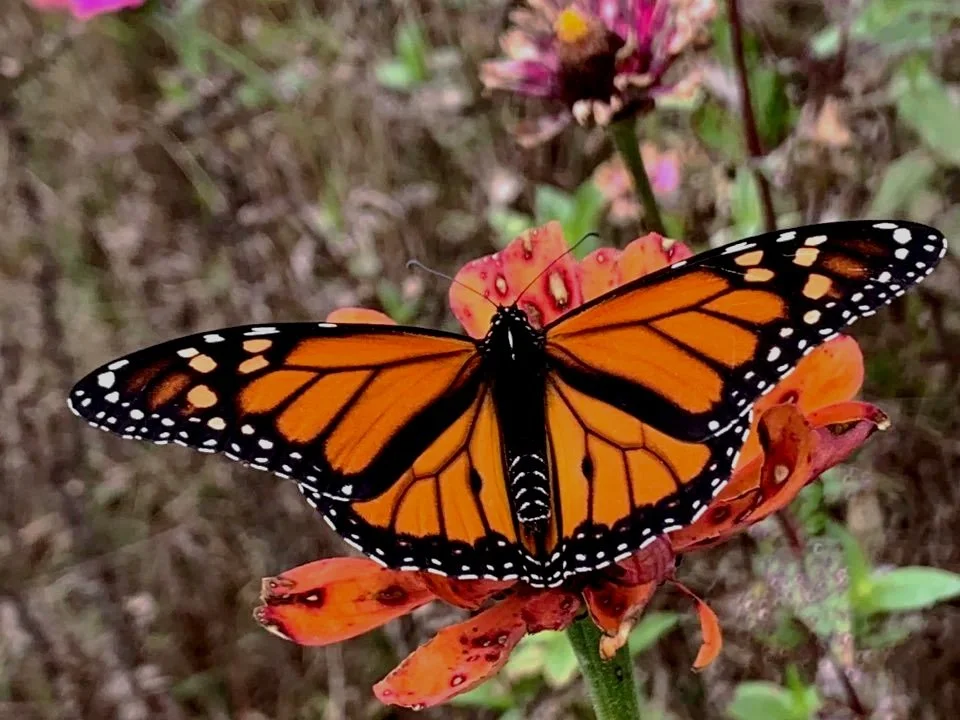
The Tribe also maintains a butterfly sanctuary as part of its commitment to habitat restoration and environmental balance. Butterflies are indicators of a healthy ecosystem, and their presence reflects careful attention to native plants, clean land, and sustainable practices.
The butterfly sanctuary represents renewal, transformation, and continuity. By creating space for butterflies to thrive, the Tribe supports biodiversity while offering a living reminder that caring for the land allows life in all forms to return and flourish.
Living the Responsibility
Together, farming, seed saving, beekeeping, and habitat restoration reflect what it means to be Keepers of the Land. These practices are not symbolic; they are lived. They represent a commitment to care for what sustains life and to pass that responsibility forward with intention and respect.
The Wolf Creek Cherokee Tribe of Virginia continues this work as part of its cultural responsibility — honoring the land, protecting its gifts, and ensuring that these practices remain living traditions for generations to come.